

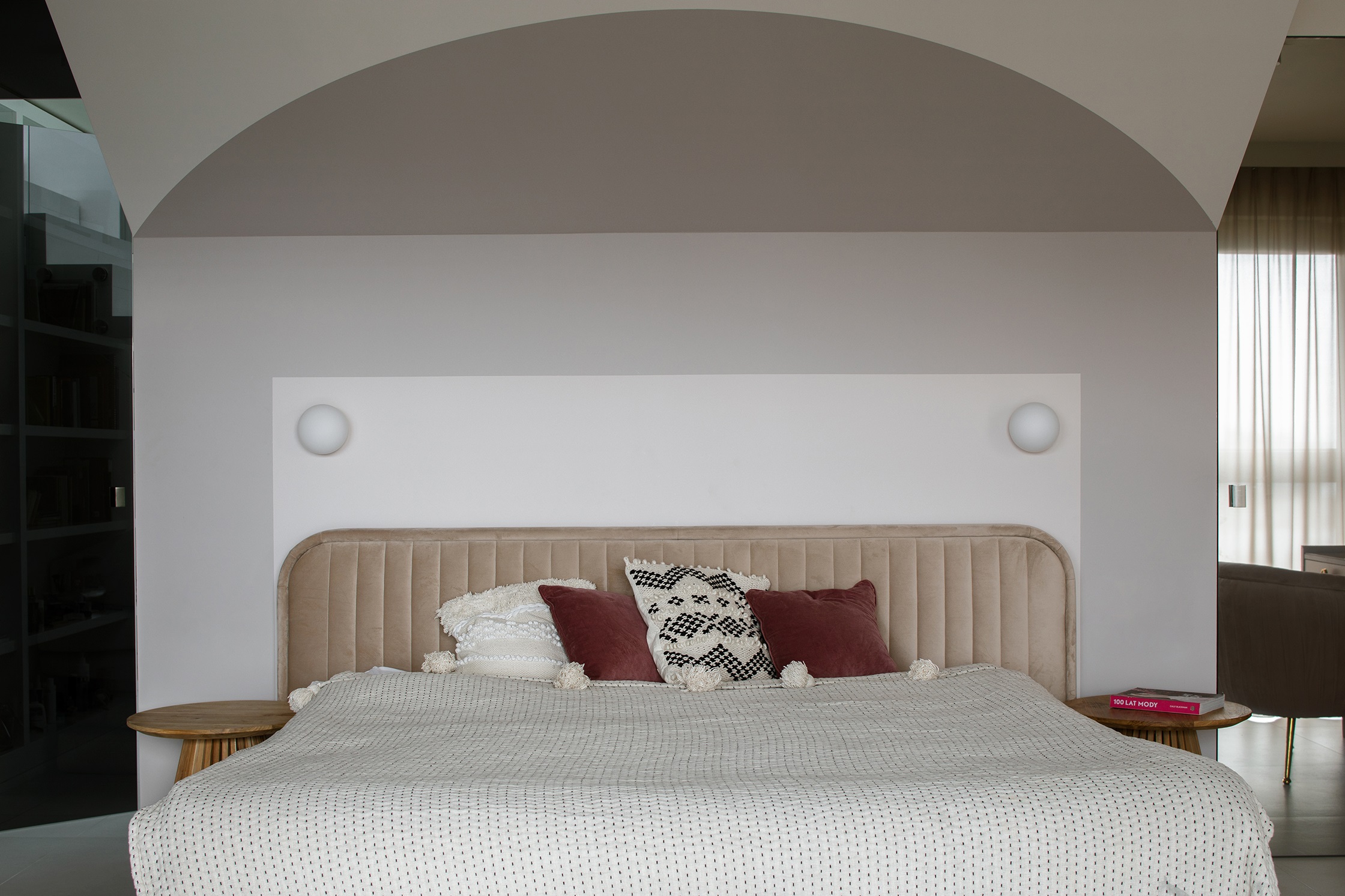
A bedroom should, above all, be conducive to rest, but good bedroom design involves much more than just choosing a comfortable bed and a wall color. What matters is the right functional layout, lighting, storage space, window treatments, and materials that create a calm and cozy atmosphere.
As interior and furniture designers, we take a holistic approach to the bedroom—from the placement of the bed and the design of a custom closet to the location of a single light switch. Here are 5 elements worth considering when designing the perfect space for rest.
1. Start with a good functional layout
It’s a good idea to begin designing a bedroom by analyzing the space: its dimensions, the location of doors and windows, and the possibilities for arranging furniture. The focal point is, of course, the bed. If the room size allows, it’s best to ensure comfortable access from both sides and adequate space for nightstands.
It’s not just the mattress size that matters, but also the overall dimensions of the frame and headboard—a 160 × 200 cm upholstered bed can take up significantly more space.
At this stage, it’s worth deciding where the closet, dresser, or vanity will go. A good interior designer thinks not only about whether all the elements will fit on the floor plan, but above all, whether they can be used comfortably.
You also don’t need to fill every available centimeter with furniture. A bedroom needs breathing room—sometimes less furniture simply means a better interior.
2. Choose a bed that fits your decor and your needs
The bed is the largest and most important piece of furniture in the bedroom, which is why it largely defines the character of the entire interior. In our designs, we treat it not only as a functional element but as part of the space’s architecture.
This approach gave rise to the beds designed by Five Cell for ScandicSofa: Delikate, Japandi, Minima, Gatsby, Lagom, and Mjuk.
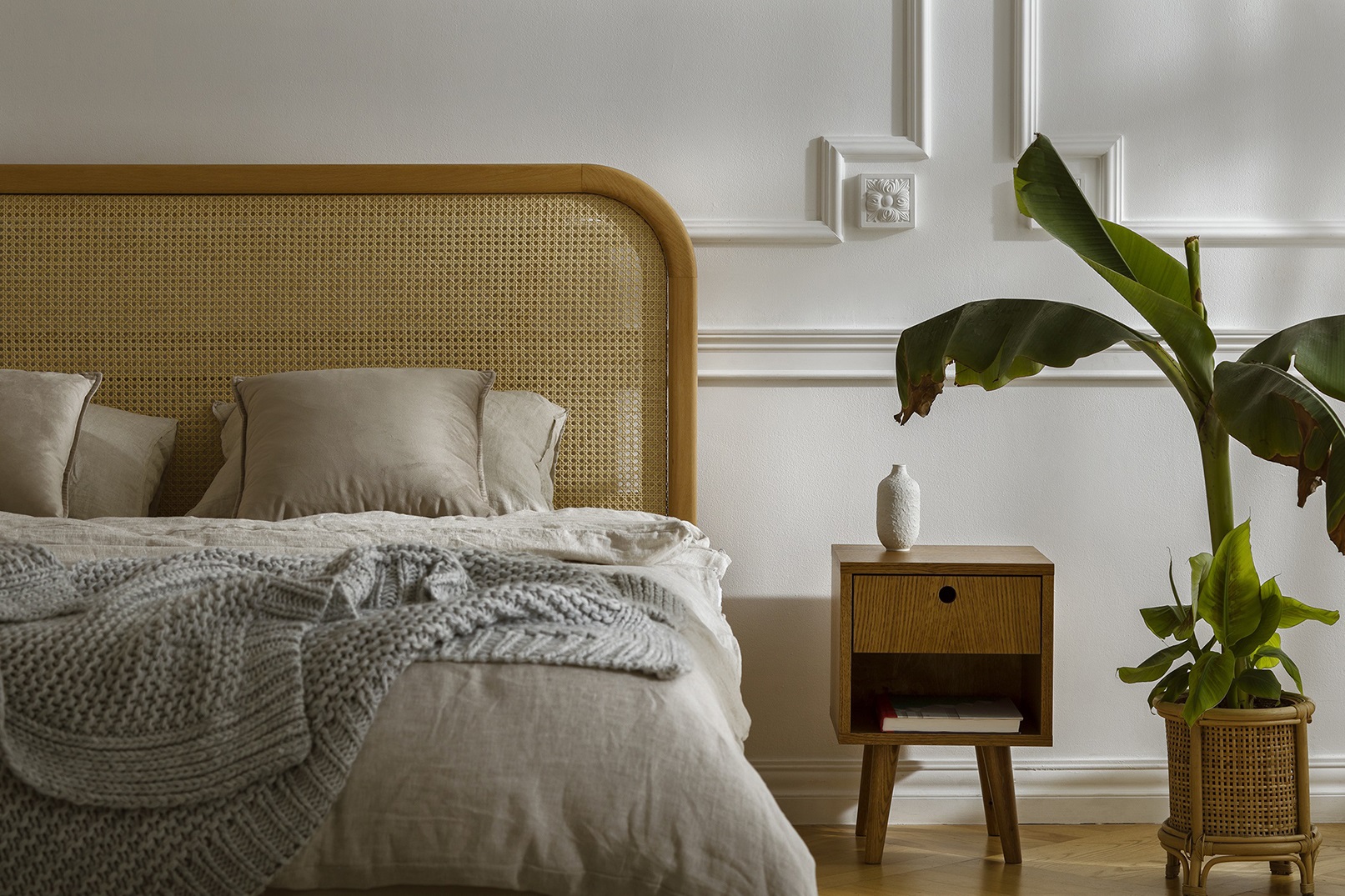
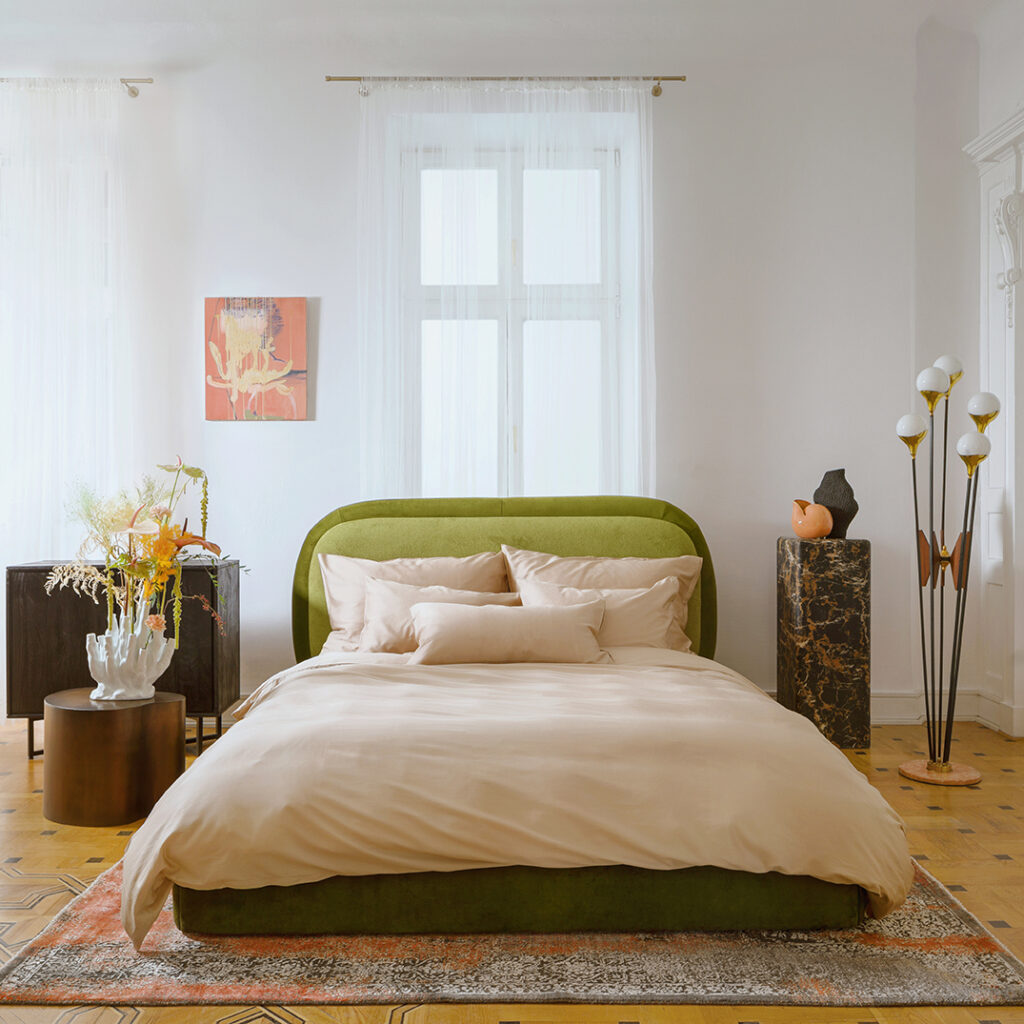
Delikate, with its wide, upholstered headboard, can become the focal point of the wall behind the bed. Japandi, combining a simple form with natural rattan, fits perfectly into calm, natural interiors. Minima has a simple, visually light form and fits well into minimalist designs, while Gatsby helps give the bedroom a more elegant, soft character.
When choosing an upholstered bed, it’s also worth paying attention to the fabric. Easy-to-clean, soft-to-the-touch, and abrasion-resistant upholstery makes daily use much easier, especially in a home with children or pets. A good bed should not only be beautiful and comfortable but also durable—after all, it’s one of the most heavily used pieces of furniture in the home.
3. Plan your storage – including under the bed
You can create a surprising amount of storage space in the bedroom. The Delikate, Japandi, Minima, Gatsby, and Lagom beds are also available in versions with under-mattress storage. This is a great place to store bedding, blankets, pillows, suitcases, or seasonal items.
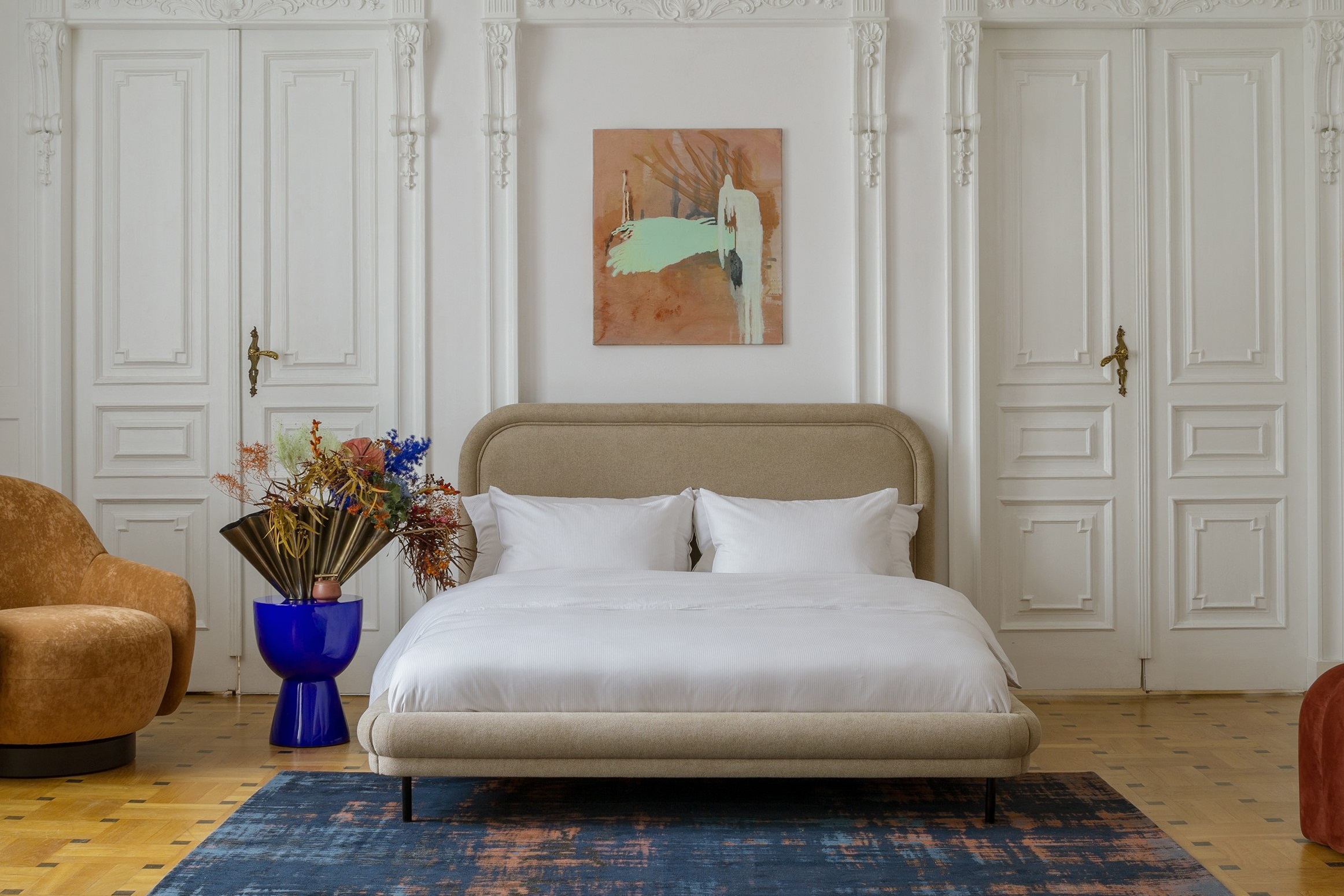
An alternative is a bed with taller legs, which looks lighter and makes cleaning easier. If the height is right, a Roomba-type robotic vacuum can easily fit underneath—so it’s worth checking the height of your specific device before choosing a configuration.
The second important element is a spacious, custom-built closet, ideally designed to reach the ceiling. Its interior should meet the specific needs of the household members: the number of hanging garments, shelves, drawers, and space for shoes or seasonal items. A well-designed built-in closet can hold a great deal while virtually disappearing into the interior.
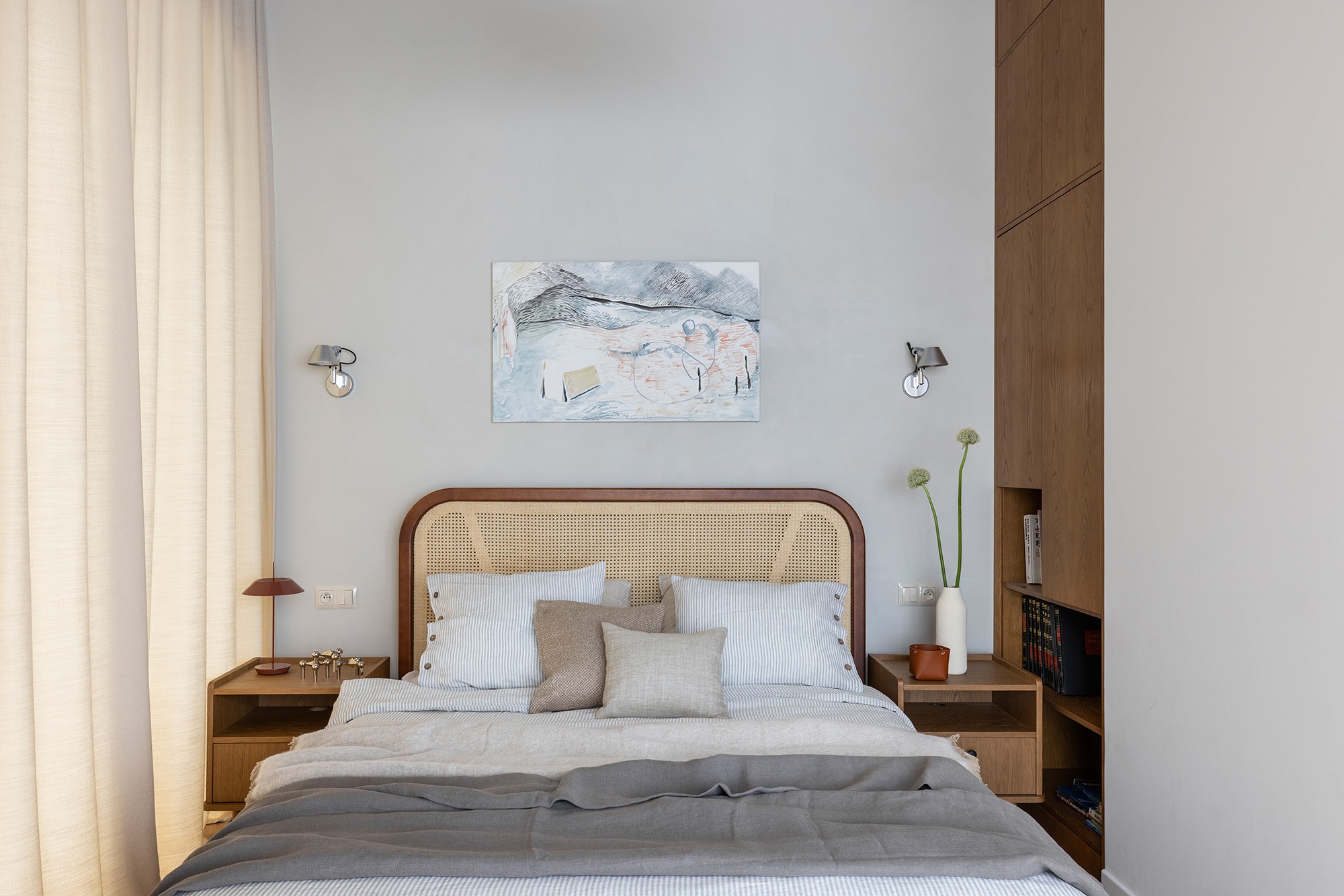
4. Think about lighting, electrical systems, and window coverings
This is one of the elements that most significantly affects how comfortable the bedroom will be to use later on.
In addition to the main lighting, it’s a good idea to plan for wall sconces or reading lamps on both sides of the bed, as well as softer evening lighting. There should also be easily accessible outlets next to the bed for charging your phone or watch.
A very practical solution is to control the main light from the bed as well. With properly designed switches, you don’t have to get out of bed to turn off the ceiling light. It may seem like a small detail, but it’s precisely these details that determine whether a space is truly comfortable.
That’s why it’s best to design the electrical layout with a specific bed, headboard, and nightstands in mind. This allows you to precisely determine the height and placement of wall sconces, outlets, and light switches.
Controlling natural light is equally important. Minimalist blackout blinds work great in the bedroom, allowing you to darken the room almost completely. You can pair them with light, sheer curtains, such as those made of natural linen. During the day, the curtains softly filter the light and provide privacy, while at night, the hidden blackout blind ensures complete darkness.
This solution is not only functional but also very aesthetically pleasing—especially in minimalist, Japandi, or soft minimalism interiors.
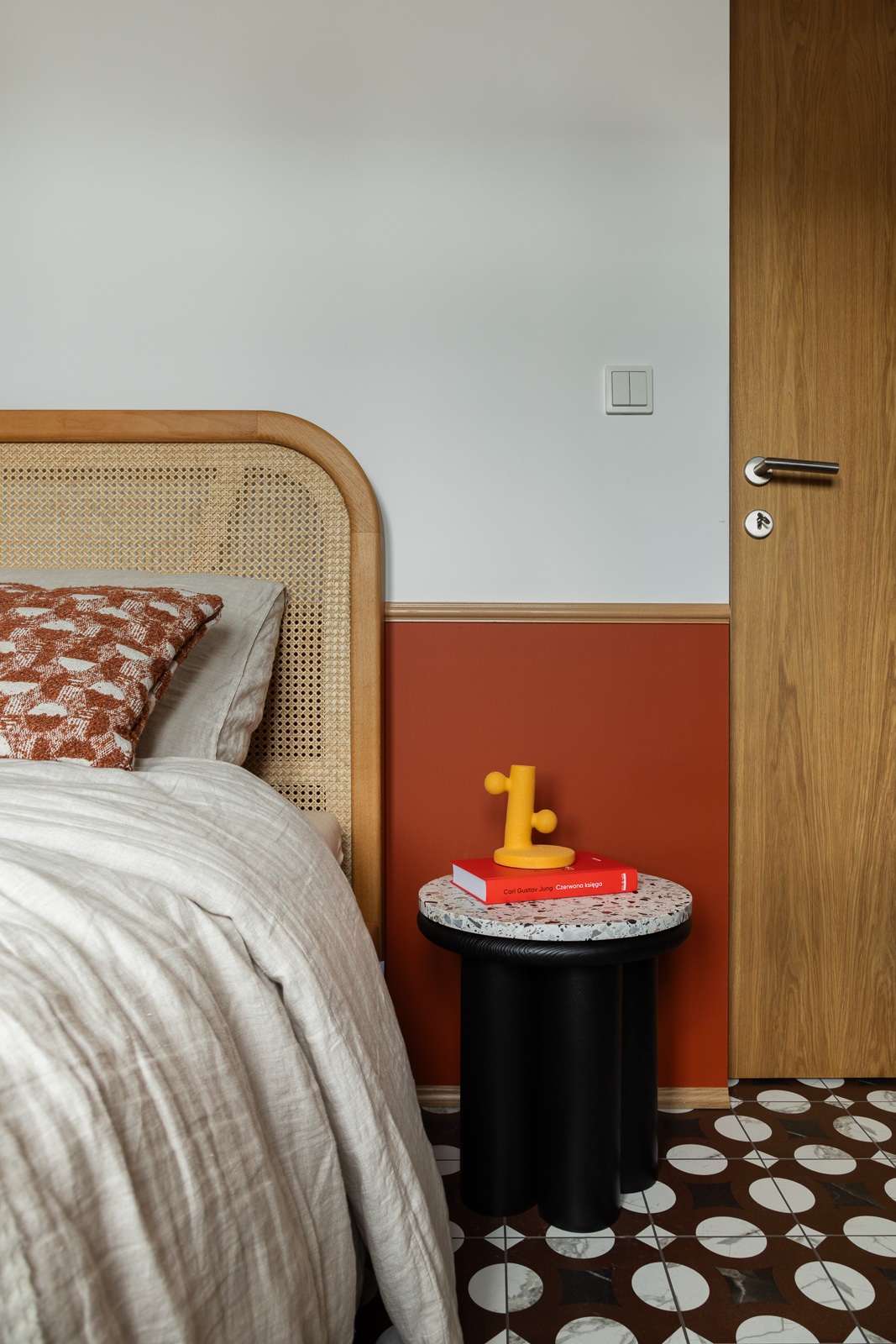
5. Finally, set the mood
Once the layout, furniture, and lighting have been planned, it’s time to focus on materials and accessories.
Natural textures that feel pleasant to the touch work well in the bedroom: wood, linen, wool, upholstery, and woven fabrics. It’s best to combine them rather than introduce too many decorative items.
One element we particularly like to use is a large rug partially tucked under the bed. It adds warmth to the space, improves acoustics, and visually unites the bed and nightstands into a single composition.
Add to that soft bedding, a bedspread, curtains, a few pillows, a painting or print, and carefully chosen lighting. You don’t need much—the “less is more” principle works especially well in the bedroom.
The color scheme also doesn’t have to be limited to beige. Calm blues, greens, warm browns, off-whites, or deeper colors can create the perfect backdrop for relaxation. The most important thing is the cohesiveness of the entire composition.
A good bedroom starts with a good design
A well-designed bedroom combines ergonomics, lighting, storage, and carefully selected furniture and materials. Each of these elements ultimately contributes to your daily comfort.
At Five Cell, we combine interior design with furniture design, allowing us to view the space holistically—from the functional layout and utilities, through custom-built fixtures, to furnishings and details.
If you’re planning a renovation or furnishing a new apartment and are interested in interior design in Warsaw, we can create a cohesive concept for your apartment or house, in which the bedroom will not only be beautiful but, above all, comfortable and tailored to your lifestyle.
Because the best bedroom isn’t the one that looks good in a photo. It’s the one where you end your day on a high note—and start the next one even better.