
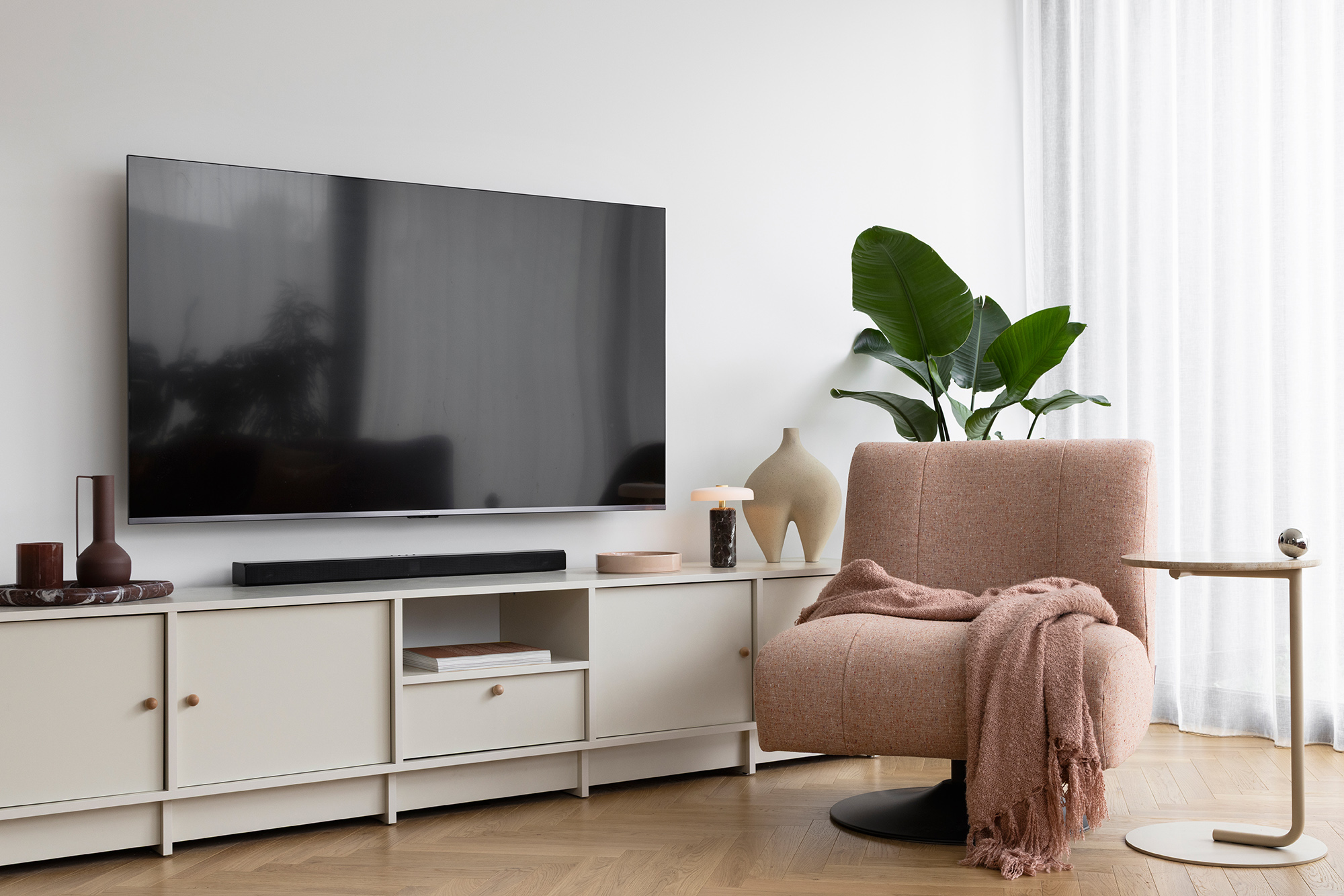
The Japandi style has held an important place in interior design for several years. It combines the Japanese love of simplicity, harmony, and naturalness with Scandinavian functionality and warmth. The result is interiors that are serene and understated in form, yet far from cold minimalism.
However, Japandi is much more than just beige walls and wooden furniture. Its strength lies in natural materials, good proportions, light, textures, and thoughtfully chosen objects. How can you apply these principles when designing an apartment or house?
Translated with DeepL.com (free version)
1. Natural materials as the foundation of the interior
The foundation of Japandi-style interiors is a connection to nature. Instead of an abundance of decorations, materials are used that define the character of the space on their own.
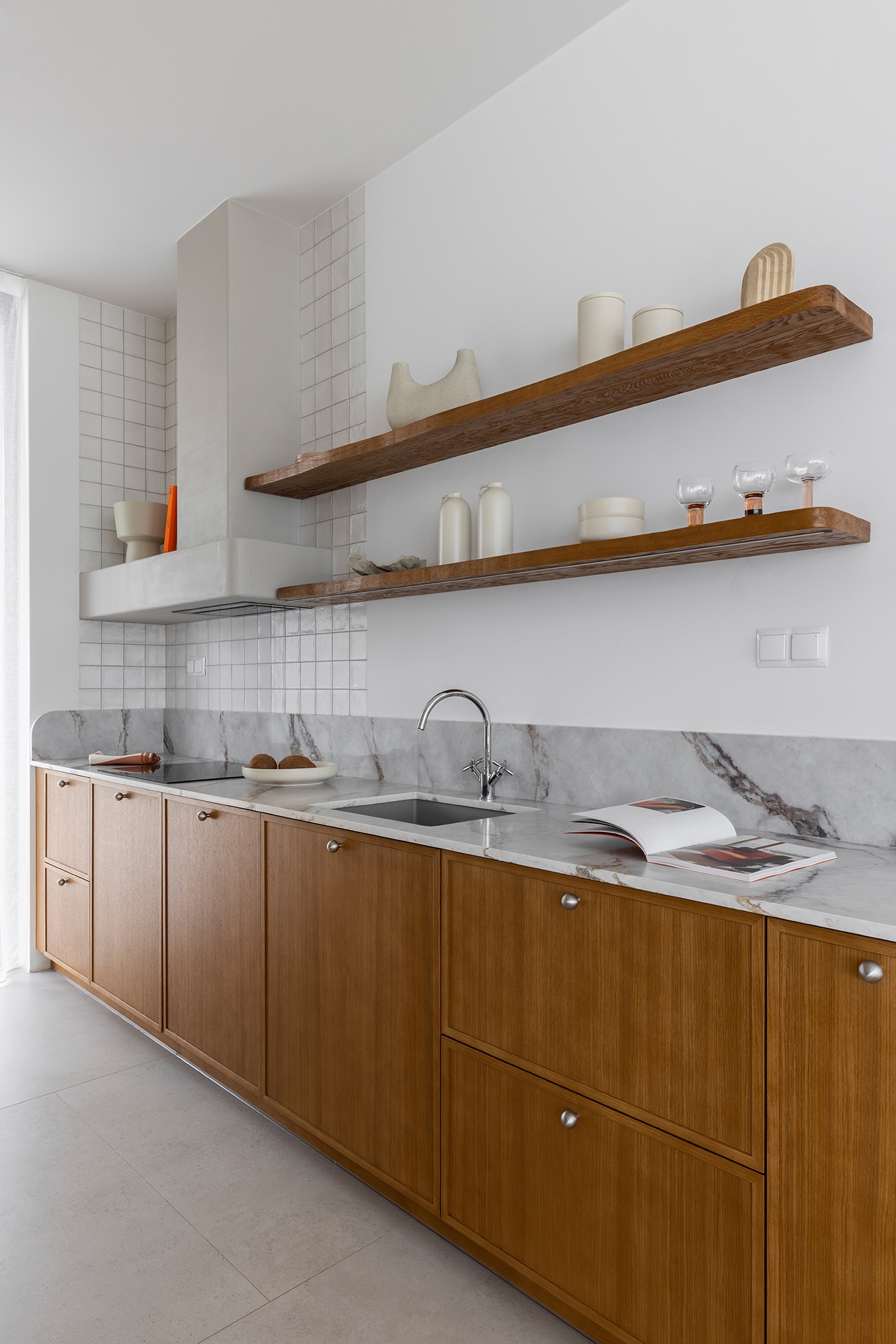
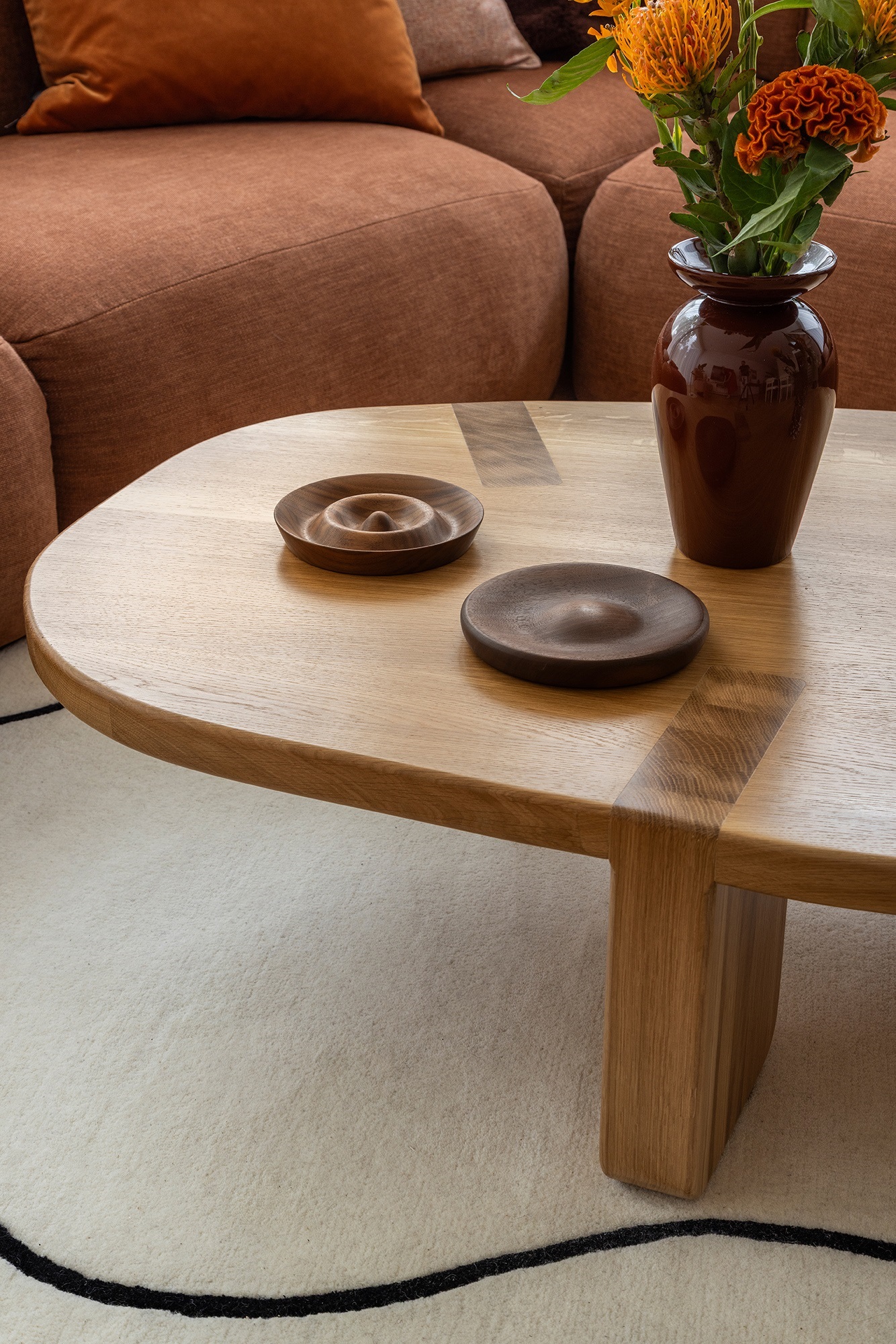
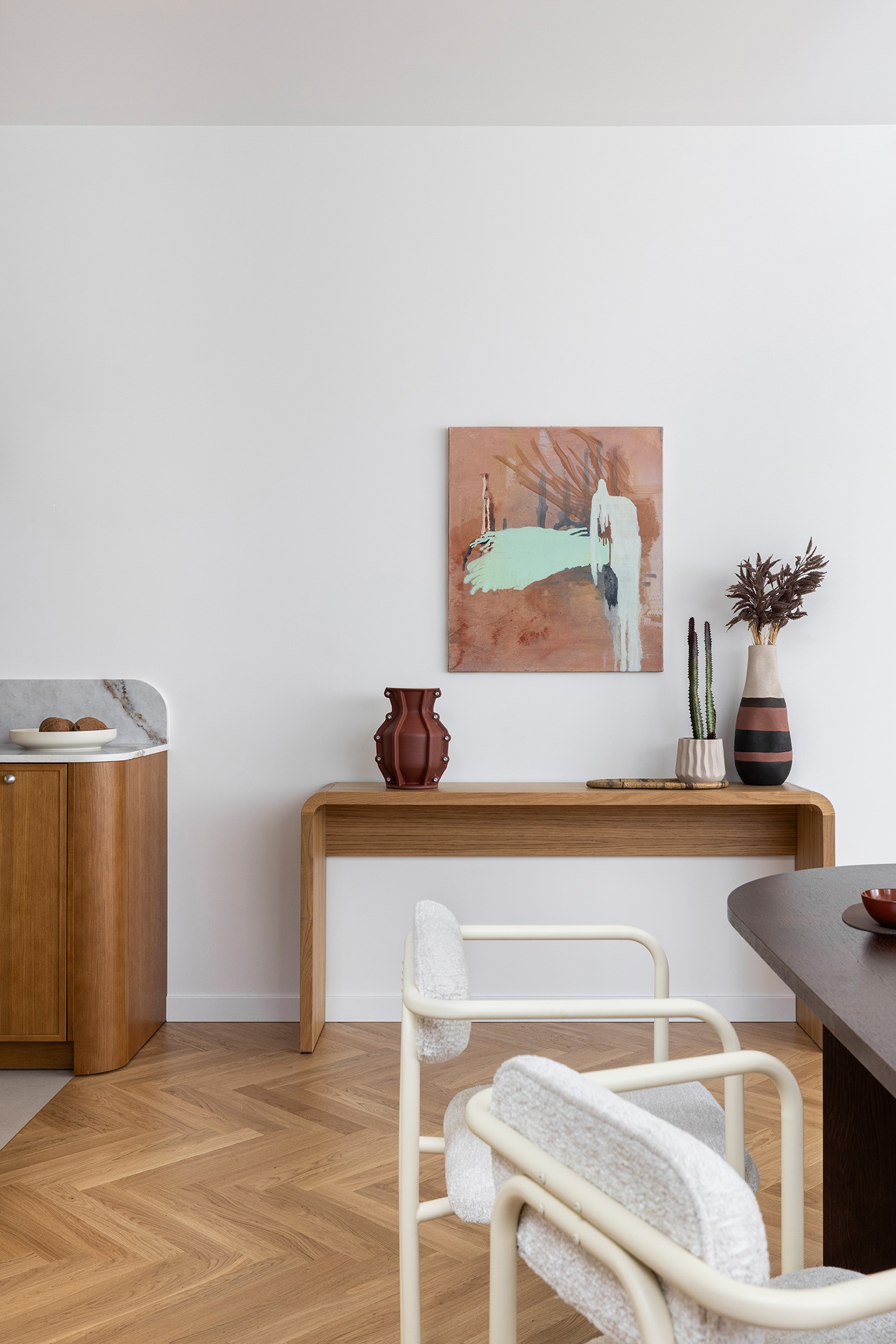
Wood is the most important element—on the floor, cabinet fronts, walls, and furniture. Its visible grain and natural variations add warmth even to a very minimalist interior.
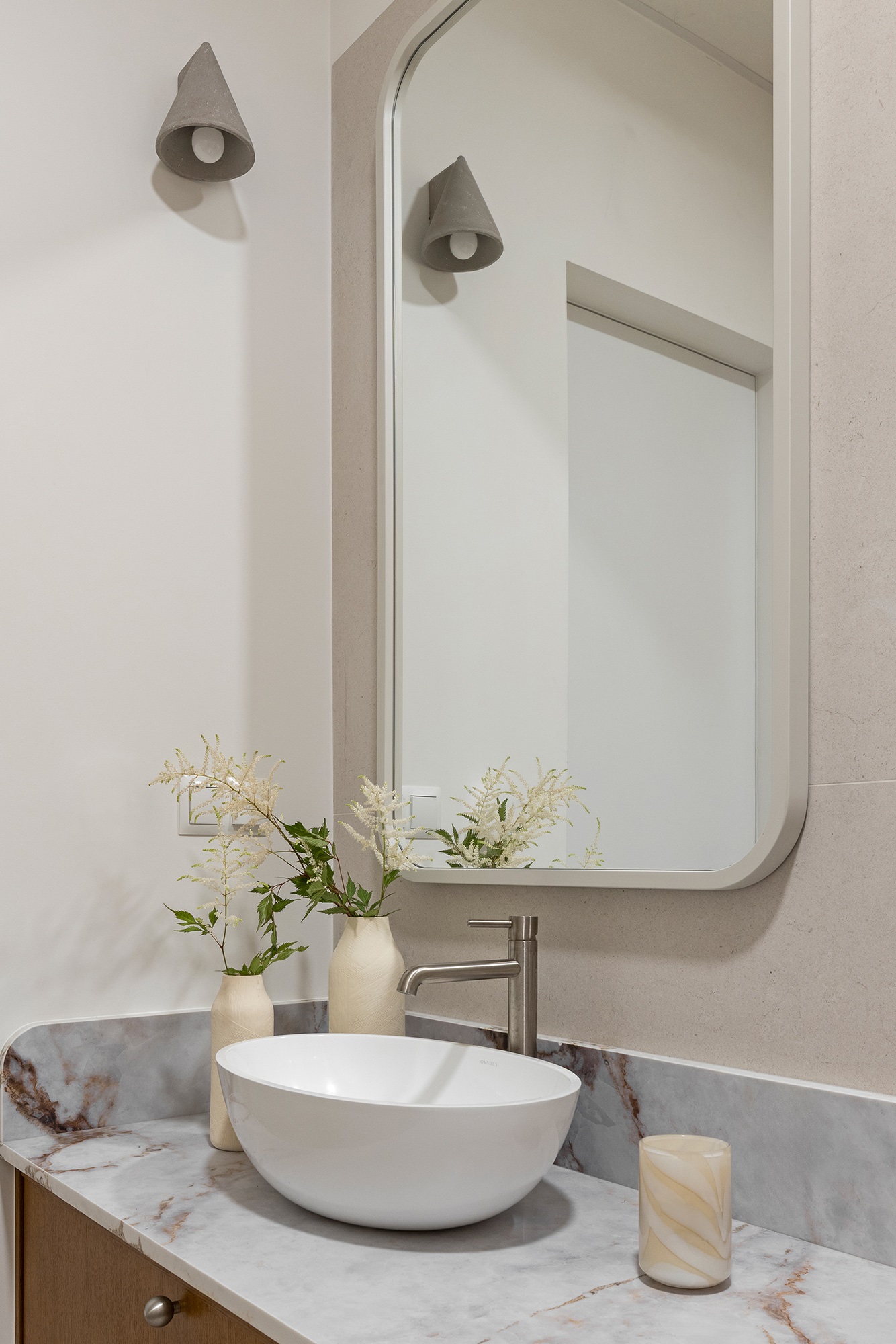
Wood pairs beautifully with stone, ceramics, linen, wool, rattan, and natural woven materials. Mineral surfaces, such as microcement or textured plaster, also serve as excellent complements.
Japandi interior design isn’t about using as many materials as possible. Their quality and skillful combination are far more important. A few well-chosen textures can create a more interesting interior than dozens of decorations.
2. Colors of nature – not just beige
The Japandi style is often associated with beiges and off-whites, but its color palette can be much richer.
Warm grays, taupe, sandy shades, caramel, natural wood, olive and muted green, browns, as well as darker accents—such as graphite or black—work well.
Instead of using many contrasting colors, it’s better to choose a limited palette and design the interior using subtle variations in tones and textures. This keeps the space calm without making it monotonous.
3. Simplicity that leaves room for life
One of the most important principles of Japandi is to minimize the unnecessary. However, this does not mean empty, sterile rooms.
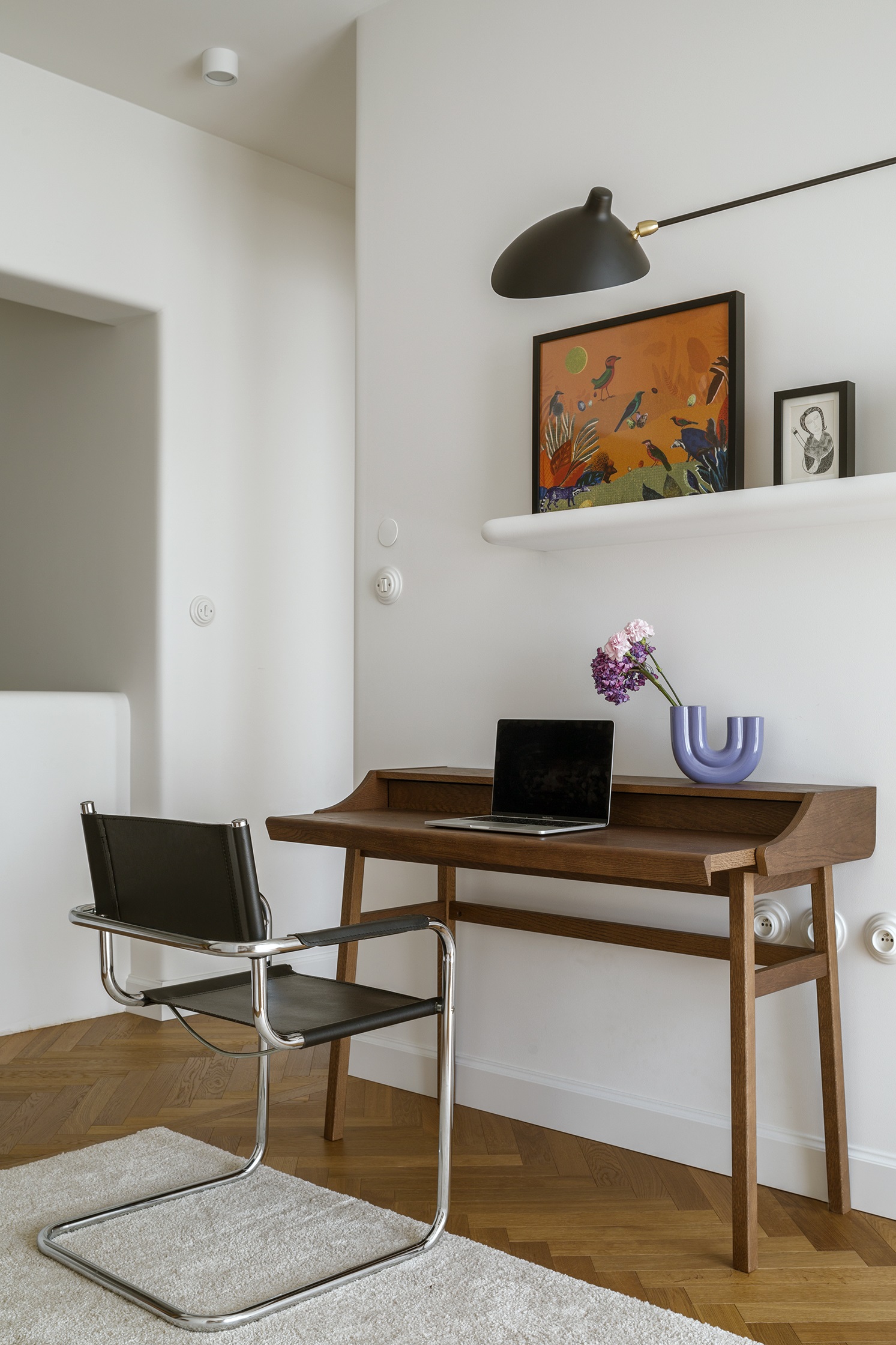
Coziness can be created through light, materials, and the right proportions. A wooden floor, a soft sofa, a large wool rug, linen curtains, or handmade ceramics make a minimalist interior feel more personal.
Japandi is also closely tied to the Japanese philosophy of wabi-sabi, which finds beauty in naturalness and imperfection. Stone doesn’t have to have an identical pattern, wood can show its grain, and handmade ceramics can have slight irregularities.
In a well-designed interior, it’s often these details that define its character.
4. Japandi furniture – form, material, and comfort
Japandi-style furniture typically features simple shapes, balanced proportions, and natural materials. It often incorporates lower profiles, rounded lines, wood, and woven elements.
This aesthetic also inspired us when designing the Five Cell furniture collection for ScandicSofa.
In the Japandi bed we designed, a simple form is combined with natural wicker on the headboard. Rattan lends the piece lightness and texture, allowing the bed to serve as the focal point of the bedroom without the need for many additional decorations.
The Japandi Soft bed is a softer interpretation of the same idea. The upholstered headboard maintains a calm, minimalist form while bringing more softness and comfort to the bedroom.
We took a similar approach with the design of the Natur sofa. Its understated form harmonizes well with wood, stone, natural fabrics, and the calm color palette characteristic of Japandi interiors.
When designing furniture, we seek a balance between aesthetics, functionality, durability, and everyday comfort. A piece of furniture should look good, but above all, it should serve its users well.
5. Lighting and fabrics set the mood
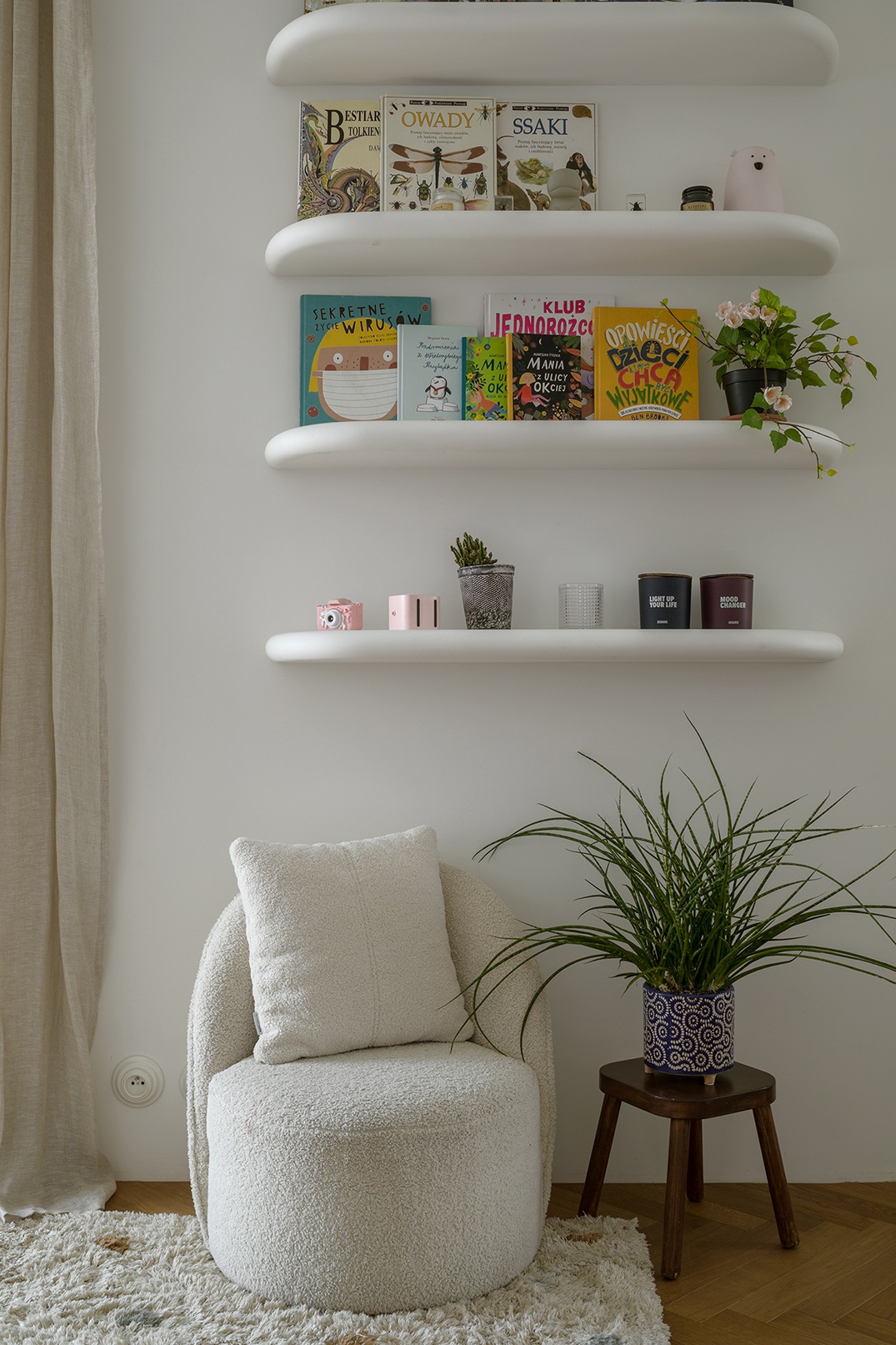
Natural light is one of the most important elements of a Japandi interior. Instead of heavy window treatments, light, sheer curtains—such as linen ones or those with a distinct, natural texture—work well. They gently filter the light and soften the interior’s architecture.
In the evening, it’s a good idea to create several independent light sources rather than relying on a single ceiling light to illuminate the entire room. Floor lamps, wall sconces, or subtle decorative lighting allow you to create different moods and highlight the texture of wood, fabrics, and mineral surfaces.
Textiles play a similar role. A wool rug, linen curtains, soft upholstery, or natural bedding introduce softness to a simple interior without the need for additional decorations.
6. Japandi as a way of thinking about space
The most interesting Japandi-style interiors don’t look like a ready-made set of furniture and accessories chosen according to a single formula.
Rather, it’s a way of thinking about the home: fewer items, better materials, functionality, a connection to nature, and space that allows you to take a break from sensory overload.
That’s why Japandi works well in both large homes and small apartments. Well-designed custom built-ins allow you to hide most everyday items, and a limited palette of materials visually organizes the space.
At Five Cell, when designing interiors for apartments and homes, we treat style as a starting point rather than a ready-made template. We combine functional layout, lighting, natural materials, custom built-ins, and original furniture to create a space tailored first and foremost to the people who will live there.
If you’re interested in interior design in Warsaw and are drawn to the Japandi aesthetic, natural minimalism, and mindful design, we can create an interior tailored to the architecture of the space and your lifestyle.
Japandi is more than just an aesthetic. It’s the art of choosing less, but better.